
More Than Just Clothes, It Was a Revolution!
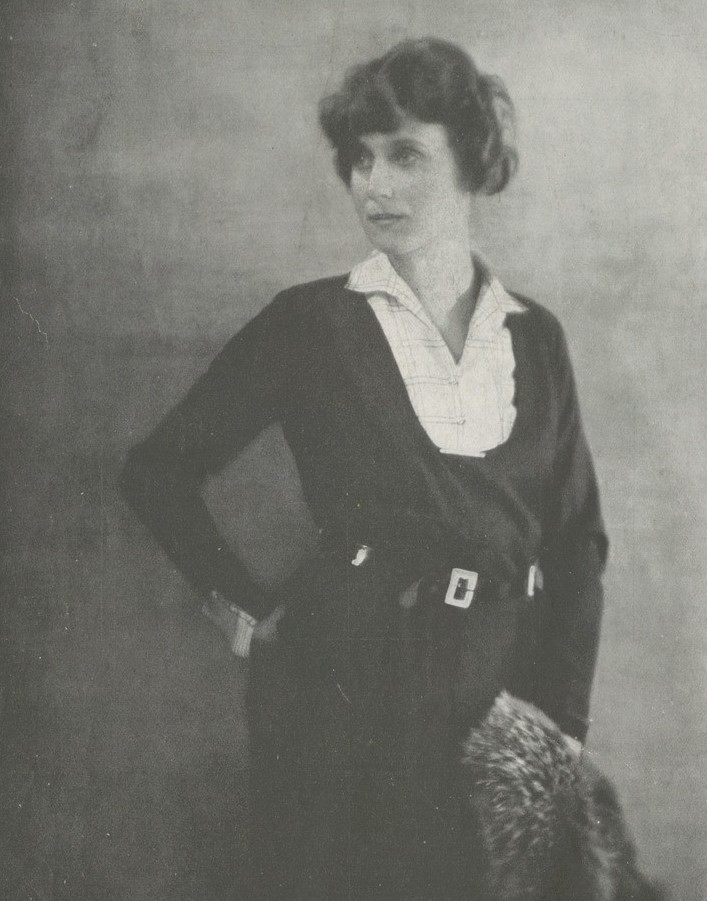
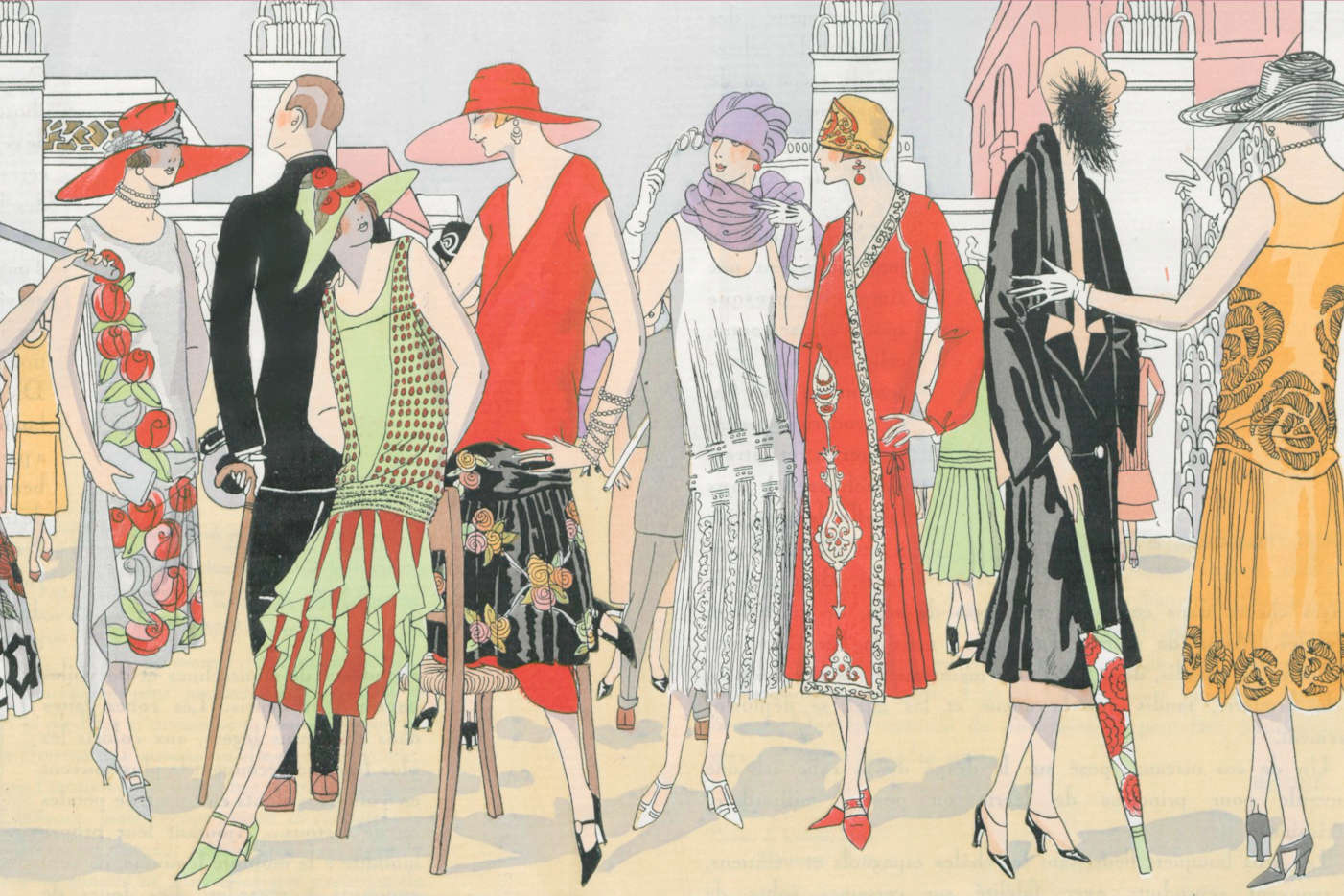
In the 1920s, women’s fashion took a leap into the future, reflecting deep changes in society. The complex, fancy styles before the war made way for simpler, more comfortable clothes that could be made and worn easily. This change in fashion wasn’t just about clothes. It showed how women’s roles and how people saw them were changing after World War I.
Women started taking on new jobs, from running households to working in offices, gaining new independence and visibility. They began exploring cities on their own, changing social norms and the way men acted around them.
This time also saw women achieving the right to vote, especially with the “Flapper Vote” of 1928 in the UK, giving them the same voting rights as men. This was a big moment for the “new woman” – confident and articulate, dressing in simple but elegant styles that showed her freedom in a world reshaped by the war.
Let’s unravel the secrets of 1920s trends to see how fashion echoed the era’s revolutionary spirit!
Flapper, the Boyish Look
The Roaring Twenties ushered in an era of bold femininity, epitomized by the ‘Boyish Look’ or ‘La garçonne’, a style that became the hallmark of flappers. These trendsetters, donning beaded dresses and sporting short haircuts, embodied the spirit of rebellion. As they danced across the decade’s vibrant party scene, they showcased a harmonious blend of elegance and liberation. The era’s fashion, characterized by naturally flowing dresses free from the constraints of corsets, symbolized a daring new vision of womanhood. This avant-garde style mirrored the societal shift towards greater freedom and self-expression for women.
Click for More on the Flapper Dress Story
Robe de Style
During the 1920s, alongside the famed Flapper Dress, another style made waves in the fashion world: the Robe de Style, championed by Jeanne Lanvin. This style diverged significantly from the streamlined, androgynous look of the flapper era. Featuring full, sweeping skirts and often embellished with panniers, Lanvin’s designs, like her notable black and silver Robe de Style, brought an air of femininity and romantic allure. These gowns, accessorized with straw hats, stood as a stark contrast to the brimless cloche hats of the time.
Little Black Dress
In the fashion tapestry of the 1920s, the color black wove a narrative of elegance and universality. Vogue (USA), in 1926, hailed Chanel’s iconic little black dress as a future wardrobe essential. This prediction rang true as the little black dress evolved into a timeless symbol of refined simplicity, an emblem of taste for every woman. But black’s fashion lineage predates Chanel’s masterpiece. Historically a symbol of mourning, black seamlessly transitioned to a mark of sophistication. Before it became a high society staple, working and middle-class women had already embraced black for its practical elegance. The little black dress, with its inherent ability to adapt to any occasion, ultimately became the quintessential piece of evening wear, a must-have for a woman’s collection.
Cocoon Coat: A Jazz Age Fashion Icon
The Cocoon Coat, a staple of 1920s fashion, encapsulated the Jazz Age’s affinity for luxury and comfort. Spearheaded by designer Paul Poiret, this lavish garment stood out with its voluminous form, crafted from plush fabrics like crushed velvet and opulent furs such as sable and mink. Representing more than just a winter essential, the Cocoon Coat, adorned with pronounced pelts and deep, graceful swags, was a fusion of modern design and timeless style. This iconic attire was not only about providing warmth; it was a statement of fashion, embodying the era’s love for glamor and extravagance.
Sportswear’s Bold Era
In the 1920s, women embraced sportswear as everyday attire, a trend that marked a significant shift from the traditional, more restrictive clothing norms.
Tennis, in particular, emerged as a leading influence in women’s fashion, largely due to the popularity of Suzanne Lenglen, a six-time Wimbledon champion and a global sports icon. Known for her close ties with designer Jean Patou, Lenglen not only excelled on the court but also in fashion, often seen in stylish tennis outfits designed by Patou. Breaking away from the era’s typical, modest sporting wear, Lenglen’s choice of attire, including low-cut dresses and rolled-down stockings, was both liberating and scandalous, symbolizing a new era of freedom and comfort in women’s sportswear.
Explore the Full Story of the 1920s Sportswear Revolution
Long Live the Bob
The bob haircut, symbolizing the 1920s, marked a significant departure from traditional long hairstyles, historically seen as a sign of femininity. Its emergence wasn’t abrupt but rather evolved from the soft, wavy cuts of the early 20th century to the angular bob of the mid-1920s. This trend saw various iterations, each reflecting a unique style.
Initially met with resistance from men and older generations, the bob soon became a beauty standard, widely accepted and promoted by women’s publications across social strata, though softer versions were often depicted for the lower classes. Complementing this iconic hairstyle was the cloche hat, designed to be worn low over the eyes, its snug fit and small brim harmonizing perfectly with the bob’s contours. Together, the bob and cloche hat became defining features of the era, embodying a shift towards modernity and a break from conventional gender norms in fashion.
Find Out More about the Bob hairstyle
Iconic Cloche Hat
In the 1920s, fashion and hairstyles embraced a more boyish aesthetic, setting the stage for the iconic cloche hat, a bell-shaped accessory that became synonymous with the era’s flapper look.
Cloche, meaning ‘bell’ in French, these hats hugged the scalp closely, complementing the popular bobbed hairstyles. More than just a tool for warmth, especially in open-topped cars, cloche hats were a fashion statement for every occasion, from casual outings to weddings.
Typically made of felt, these hats featured minimal brims and simple decorations like scarves, tassels, feathers, and Art Deco motifs, often on one side. The low brim of the cloche hat lent a mysterious allure to the wearer, necessitating dramatic makeup with kohl-rimmed eyes and bright lipstick. For evening wear, lighter versions adorned with beads or sequins were popular, while brides and bridesmaids preferred white beaded or lace versions.
Explore the Full Story of the Cloche Hat
Art Deco Accessories
The Art Deco movement, with its roots in varied cultures from ancient Egypt to modern Germany, brought a revolution in 1920s design, prominently influencing jewelry with its geometric forms and vibrant colors. Affordable accessories like bracelets, necklaces, clips, and earrings, crafted from colorful Bakelite and sparkling rhinestones, became essential for adding flair to homemade dresses.
Footwear too underwent a transformation, with a range of styles, colors, and embellishments reflecting the era’s fashion-forward thinking. As dresses became shorter, shoes, often high-heeled with T-shaped or crossed straps and made from materials like leather, brocade, and silk, became critical style elements. These shoes, adorned with luxurious embellishments such as silk embroideries, beads, and diamond-studded clips, were not just footwear; they were statement pieces.
Pearl Necklace
Pearls, traditionally a symbol of royal and noble status, embraced a transformative role in the 1920s. This era, known for its bold fashion statements, saw pearls becoming a symbol of freedom and liberation, particularly favored by the era’s iconic flapper girls. Their long, luxurious strands added a touch of creamy elegance to their attire.
During this period, the pearl industry also evolved with the introduction of cultured pearls, offering a new dimension to this classic gemstone. Renowned jeweler Augustine Gripoix was a pioneer in this transformation, crafting exquisite pearl replicas from glass, and collaborating with fashion legends like Jeanne Lanvin, Paul Poiret, and Coco Chanel, further entwining pearls with the fabric of high fashion.
Mary Jane Shoes
During the 1920s, Mary Jane shoes, with their signature closed, low-cut style and instep strap, evolved from a children’s wardrobe essential to a fashionable choice for women.
Initially favored for formal children’s attire and school uniforms, Mary Janes rose to prominence with the flapper fashion scene. Alongside the trendy T-strap shoes, Mary Janes, particularly those with heels, became a staple in the vibrant jazz club and dance culture of the era. Available in a variety of colors and patterns, these shoes were perfectly in sync with the shorter dresses of the time, making a distinct fashion statement. Their comfort and adaptability ensured that Mary Janes remained popular throughout the 1920s and beyond.
Find Out More about Mary Janes